Community
Alameda County Election Day rules may hamper news coverage of voting, civil rights groups warn
By Marcus Chen
Advertisement · Why this ad?
Marcus manages the day-to-day editorial workflow across all brands, coordinating coverage assignments and ensuring editorial standards are met. He previously served as city editor at the Pioneer Press and holds a degree in Political Science from Carleton College.
More from Marcus →
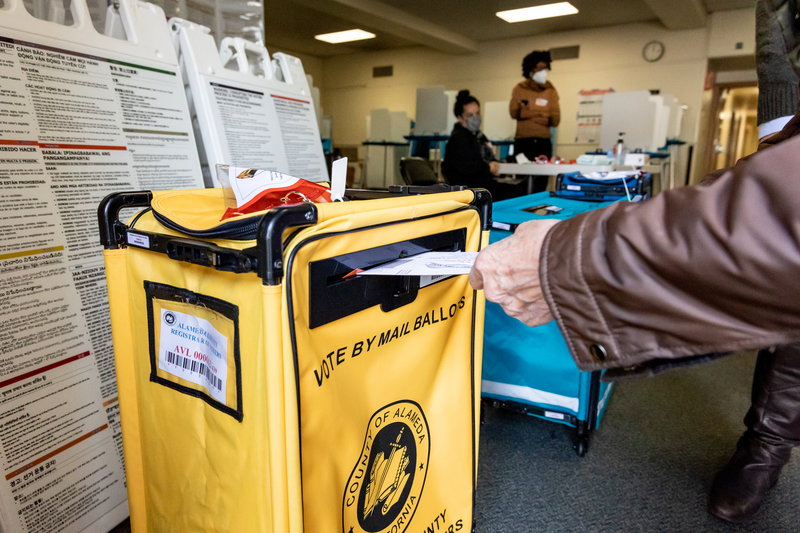
As the sun rises on Election Day in Atherton, a sense of anticipation fills the air. Voters gather outside polling places, clutching their ballots and chatting with neighbors about the issues that matter most to them. But this year, a cloud hangs over the proceedings. New rules from Alameda County threaten to restrict press coverage of the voting process, sparking outrage among civil rights advocates and media organizations.
In a controversial move, Alameda County has issued guidelines that limit how journalists can document activities at polling places on Election Day. These rules, which have drawn sharp criticism, appear to conflict with both California state statutes and the First Amendment rights guaranteed to the press. The guidelines specifically restrict the press from taking photographs or videos of voters casting their ballots, raising concerns about transparency during a crucial democratic process.
According to the county's new regulations, journalists must maintain a distance from polling stations and can only report on activities without capturing images of voters. This has led to fears that coverage of potential irregularities or voter intimidation will be hampered, leaving citizens in the dark about the integrity of the election.
Local residents have voiced their concerns about the implications of these new rules. Many believe that restricting press access undermines the democratic process and could lead to voter disenfranchisement. “Transparency is key to a fair election,” said Atherton resident and community activist Maria Gonzalez. “If the press can’t report on what happens at polling places, how can we trust the system?”
Gonzalez isn’t alone in her concerns. Civil rights groups, including the ACLU, have rallied against these restrictions, arguing that they violate the rights of both voters and journalists. “The ability to document the electoral process is fundamental to ensuring that elections are fair and transparent,” said ACLU spokesperson James Lee. “These guidelines are an affront to our democracy.”
Local news organizations have also expressed alarm. The Mercury News published an editorial denouncing the county’s decision, stating that “an informed electorate is essential for democracy.” The editorial emphasized that the press serves as a watchdog, ensuring that elections are conducted fairly and that voters can exercise their rights without fear.
The controversy surrounding Alameda County’s election guidelines raises important legal questions. California law guarantees the right of the press to cover public events, including elections. The California Secretary of State has long maintained that journalists should have access to polling places to report on the electoral process. Legal experts warn that the county’s restrictions could lead to legal challenges, as they may infringe upon constitutional rights.
“The First Amendment is clear: the press must be allowed to report on matters of public interest,” said constitutional law professor Dr. Emily Carter. “These guidelines could set a dangerous precedent if left unchallenged.”
The implications of these new rules extend beyond the press. Voter confidence is crucial for a healthy democracy, and many residents are worried that the restrictions will deter people from participating in elections. “If voters feel like they are being watched or that their rights are not protected, they may choose to stay home,” said Atherton resident John Smith.
This sentiment is echoed by community leaders who emphasize the importance of fostering an environment where voters feel secure and supported. “We need to ensure that every citizen feels empowered to exercise their right to vote,” said local pastor Michael Thompson. “Restricting press coverage only serves to create fear and uncertainty.”
Alameda County's decision comes against a backdrop of increasing scrutiny regarding voting rights and election integrity across the United States. In recent years, various states have implemented laws that critics argue suppress voter participation, particularly among marginalized communities. The new guidelines in Alameda County may be seen as part of a troubling trend that prioritizes control over transparency.
Moreover, the historical context of voting rights in California cannot be overlooked. The state has a rich history of civil rights activism, from the civil rights movement of the 1960s to the more recent Black Lives Matter protests. Activists in Atherton and beyond are keenly aware of this history, and many are motivated to ensure that the rights fought for are not eroded. “We stand on the shoulders of giants who fought for our right to vote,” said Gonzalez. “We cannot let their sacrifices be in vain.”
As Election Day approaches, the future of Alameda County’s guidelines remains uncertain. Civil rights groups are mobilizing to challenge the restrictions, and local news organizations are preparing to advocate for press access. “We will not stand idly by while our rights are infringed upon,” said ACLU spokesperson Lee. “We are committed to ensuring that the press can do its job and that voters can participate freely in the democratic process.”
Residents are encouraged to stay informed about the developments surrounding these guidelines. The Alameda County website will provide updates on any changes to the election rules, and citizens can reach out to local representatives to express their concerns.
As the community navigates this challenging landscape, resources are available to support voters. The Vote.org website offers comprehensive information about voting rights and election procedures, while local organizations like the League of Women Voters provide educational resources for voters. It’s vital that citizens remain engaged and informed, especially during an election year.
In addition, residents can participate in community forums to discuss these issues and advocate for a transparent electoral process. “It’s our responsibility to ensure that our voices are heard,” said pastor Thompson. “Together, we can make a difference.”
In response to the new guidelines, various community organizations are organizing rallies and informational sessions to educate residents about their voting rights. Groups such as the NAACP and local grassroots organizations are working tirelessly to ensure that voters understand their rights and the importance of press coverage on Election Day. “We are not just fighting for our rights; we are fighting for the rights of future generations,” said activist and organizer Lisa Tran. “This is about ensuring that democracy works for everyone.”
These mobilization efforts are crucial not only for raising awareness but also for fostering a sense of community solidarity. Many residents are coming together to share their experiences and concerns, creating a collective voice that demands accountability from local authorities. “When we unite, we are stronger,” said Gonzalez. “This is a community issue that affects us all.”
As the situation unfolds, the potential for legal action against Alameda County’s guidelines looms large. Legal experts are closely monitoring the developments, and many anticipate that the ACLU and other organizations will file lawsuits if the restrictions are not lifted. “We are prepared to take this to court if necessary,” said Lee. “The rights of voters and the press must be protected at all costs.”
The outcome of this situation will likely have lasting implications for future elections in Alameda County and beyond. If the guidelines remain in place, they could embolden other counties to adopt similar restrictions, further eroding the transparency that is essential for a healthy democracy. Conversely, a successful challenge could reaffirm the importance of press freedom and voter rights, setting a positive precedent for the future.
By Marcus Chen

By Katherine Langford

By Marcus Chen

By Marcus Chen