
Schools
El Cerrito High football team suspended amid hazing probe; arrests possible
By Katherine Langford
Advertisement · Why this ad?
Katherine oversees editorial operations across all six brands. Before joining The Meridan Group, she spent 14 years at the Minneapolis Star Tribune, where she led the metro desk through its digital transformation. She holds a Master's in Journalism from Northwestern's Medill School.
More from Katherine →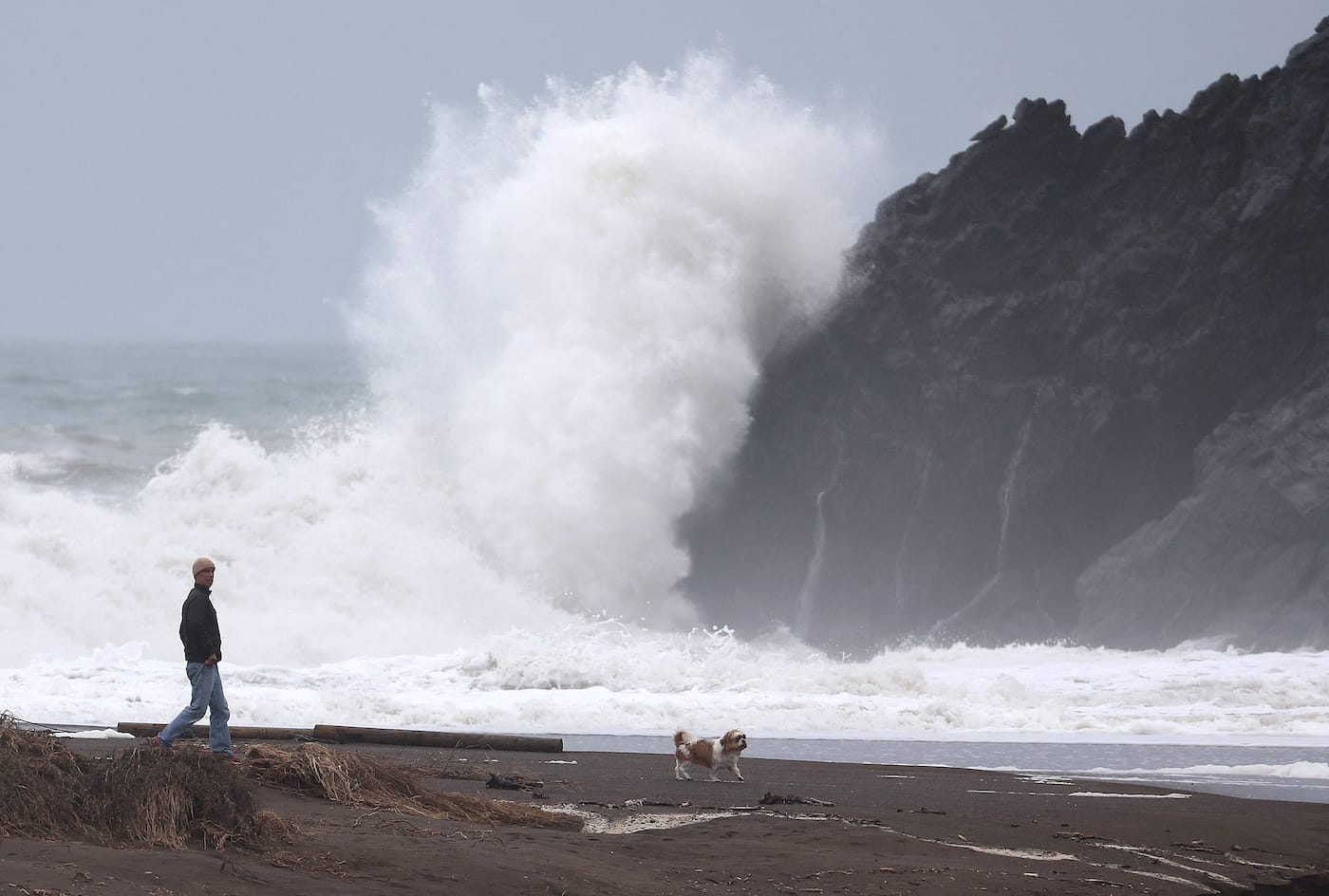
On a crisp Saturday morning, families strolling along San Francisco’s waterfront paused as the tide unexpectedly surged, swallowing parts of the shoreline with a roar. The scene was a stark reminder of the growing threat posed by nature’s increasingly unpredictable rhythms, especially as residents brace for what could be a historic season of coastal flooding. Behind this vivid tableau lies a complex interplay of atmospheric phenomena, oceanic shifts, and community resilience—each playing a role in shaping the Bay Area’s ongoing battle with the sea.
The Bay Area is currently under a coastal flood advisory through next Friday, as high tides, combined with a potent El Niño, threaten to push water levels to alarming heights. San Francisco’s shoreline is expected to experience up to 1.6 feet of flooding, particularly during the mid-morning high tides on Saturday and Sunday. This surge is not an isolated incident but part of a broader pattern affecting coastal communities from Sonoma to Monterey, including iconic spots like Point Reyes National Seashore.
Breaking waves of 12 to 16 feet, along with sneaker waves and powerful rip currents, pose significant dangers to beachgoers and residents alike. The National Weather Service has issued a Beach Hazards Statement, warning that waves can sweep across beaches without warning, pulling unsuspecting visitors into the turbulent waters. Authorities urge caution, advising people to stay out of the water, avoid jetties and rocks, and never turn their backs to the ocean, especially during these high-risk conditions.
The current flood advisory highlights the potential for up to 1.6 feet of inundation, which could flood streets, damage infrastructure, and cause isolated road closures. Low-lying neighborhoods, particularly near tidal waterways, are most vulnerable to this surge, exacerbated by the ongoing El Niño phenomenon. This “super” cycle, now among the strongest in 140 years, has elevated water levels across the coast, driven by a combination of warmer ocean temperatures, astronomical tides, and Kelvin waves—large-scale oceanic disturbances linked to El Niño.
Since May, experts have warned that California could face between 10 to 30 high tides from late November through January, with some tides reaching record levels. The state’s emergency agencies have responded proactively—San Francisco Mayor Daniel Lurie declared a local emergency last month, and critical infrastructure like Highway 37 underwent emergency upgrades to withstand the rising waters.
Already, several Bay Area communities have experienced significant flooding, prompting closures and stranded residents. In Mill Valley, backyards have been submerged, and streets turned into temporary waterways, illustrating the tangible impact of these rising seas. The Embarcadero, a bustling hub of commerce and tourism, has seen water levels threaten to spill into streets, raising concerns about the economic and social toll of ongoing flooding.
For many residents, especially those in low-lying neighborhoods, these events reinforce the importance of community preparedness and faith in local leadership. Faith-based organizations and community groups have stepped up, offering resources and support to those most affected. Families who have weathered storms before understand that stability—built on strong marriages and resilient communities—is vital in facing these natural challenges. The city’s efforts to reinforce shoreline defenses and improve drainage systems reflect a collective commitment to safeguarding families and preserving the character of San Francisco’s neighborhoods.
The Bay Area’s experience with this year’s El Niño underscores the need for continued vigilance and adaptive planning. Experts warn that the next few months could bring more high tides, storm surges, and coastal erosion. Local officials are urging residents to stay informed through trusted sources like the City of San Francisco and the National Weather Service.
Community resilience hinges on proactive measures—such as elevating vulnerable structures, restoring natural wetlands, and maintaining clear communication channels. As families gather around tables during the holiday season, their hope is rooted in the promise of stability and safety. The collective effort to prepare for and mitigate the impacts of climate-driven flooding is a testament to the enduring strength of the Bay Area’s communities, anchored in faith, family, and a shared commitment to safeguarding future generations.
While the waters threaten to rise, so does the resolve of a community determined to stand firm. With ongoing investments, informed citizens, and a spirit of cooperation, San Francisco and its neighbors are charting a course through these turbulent waters—guided by faith in a better tomorrow.
The San Francisco Bay Area’s geographical and climatic characteristics make it particularly susceptible to flooding during El Niño years. The region’s extensive shoreline, including the iconic Golden Gate, stretches over 400 miles of coastline, with numerous low-lying neighborhoods, estuaries, and tidal marshes that naturally flood during high tides. Communities like South San Francisco, Alameda, and parts of the East Bay are especially vulnerable due to their proximity to water and aging infrastructure that struggles to cope with rising sea levels.
Historically, the Bay Area has faced flooding challenges before, notably during the 1982 and 2006 El Niño events, which caused widespread inundation and damage. These incidents prompted investments in seawalls, levees, and floodgates, but the increasing intensity of recent El Niño cycles demands even more robust responses. The region’s complex network of waterways, including the San Francisco Bay, the Sacramento-San Joaquin Delta, and numerous smaller estuaries, complicates flood management efforts.
Local leaders have been at the forefront of the response to this year's flooding threats. Mayor Daniel Lurie of San Francisco has been vocal about the need for resilience and adaptation, advocating for increased funding for shoreline defenses and emergency preparedness. Lurie, a former nonprofit executive, emphasizes community engagement, urging residents to stay informed and prepared.
In neighboring Marin County, Supervisor Dennis Rodoni has overseen efforts to bolster flood defenses along the coast and promote natural solutions like wetland restoration, which can absorb storm surges. Community organizations, such as the San Francisco Bay Conservation and Development Commission (BCDC), are working to develop long-term strategies that balance infrastructure upgrades with environmental preservation.
The Bay Area’s coast is more than just a natural resource—it’s a vital part of the region’s economy and cultural identity. Tourism, fishing, and shipping industries rely heavily on stable shoreline conditions. Iconic landmarks like the Golden Gate Bridge and Alcatraz Island attract millions of visitors annually, many of whom are affected by or witness to the coastal changes firsthand.
Moreover, the coast is home to diverse communities, including historically marginalized groups who often live in the most vulnerable areas. Protecting these neighborhoods is essential not only for safety but also for preserving the cultural fabric of the region. Initiatives to build resilient infrastructure and community-led flood mitigation projects are critical in ensuring that the coast remains accessible and safe for future generations.
Looking ahead, the immediate focus remains on monitoring tides, issuing timely warnings, and deploying emergency resources. The San Francisco Department of Emergency Management has increased staffing and activated its alert systems, ensuring residents receive real-time updates. Local governments are also exploring innovative solutions, such as the installation of temporary barriers and the expansion of natural buffers like wetlands and dunes.
In the longer term, climate scientists and urban planners are advocating for comprehensive adaptation strategies that integrate climate resilience into city planning. These include elevating critical infrastructure, redesigning flood-prone neighborhoods, and investing in green infrastructure that can absorb floodwaters naturally.
Community engagement remains pivotal. Residents are encouraged to participate in local planning meetings, prepare emergency kits, and stay informed through official channels. Schools and community centers are also hosting informational sessions to educate the public about flood risks and safety protocols.
The resilience of the Bay Area depends on a collective effort—government agencies, community organizations, businesses, and residents working together to face an uncertain future. While the waters threaten to rise, so does the community’s resolve to protect its homes, its history, and its future.
By Katherine Langford

By Marcus Chen

By Katherine Langford

By Marcus Chen