
Health
Wahab, Hernandez vying to serve full term in Swalwell's former 14th Congressional District
By Katherine Langford
Advertisement · Why this ad?
Katherine oversees editorial operations across all six brands. Before joining The Meridan Group, she spent 14 years at the Minneapolis Star Tribune, where she led the metro desk through its digital transformation. She holds a Master's in Journalism from Northwestern's Medill School.
More from Katherine →
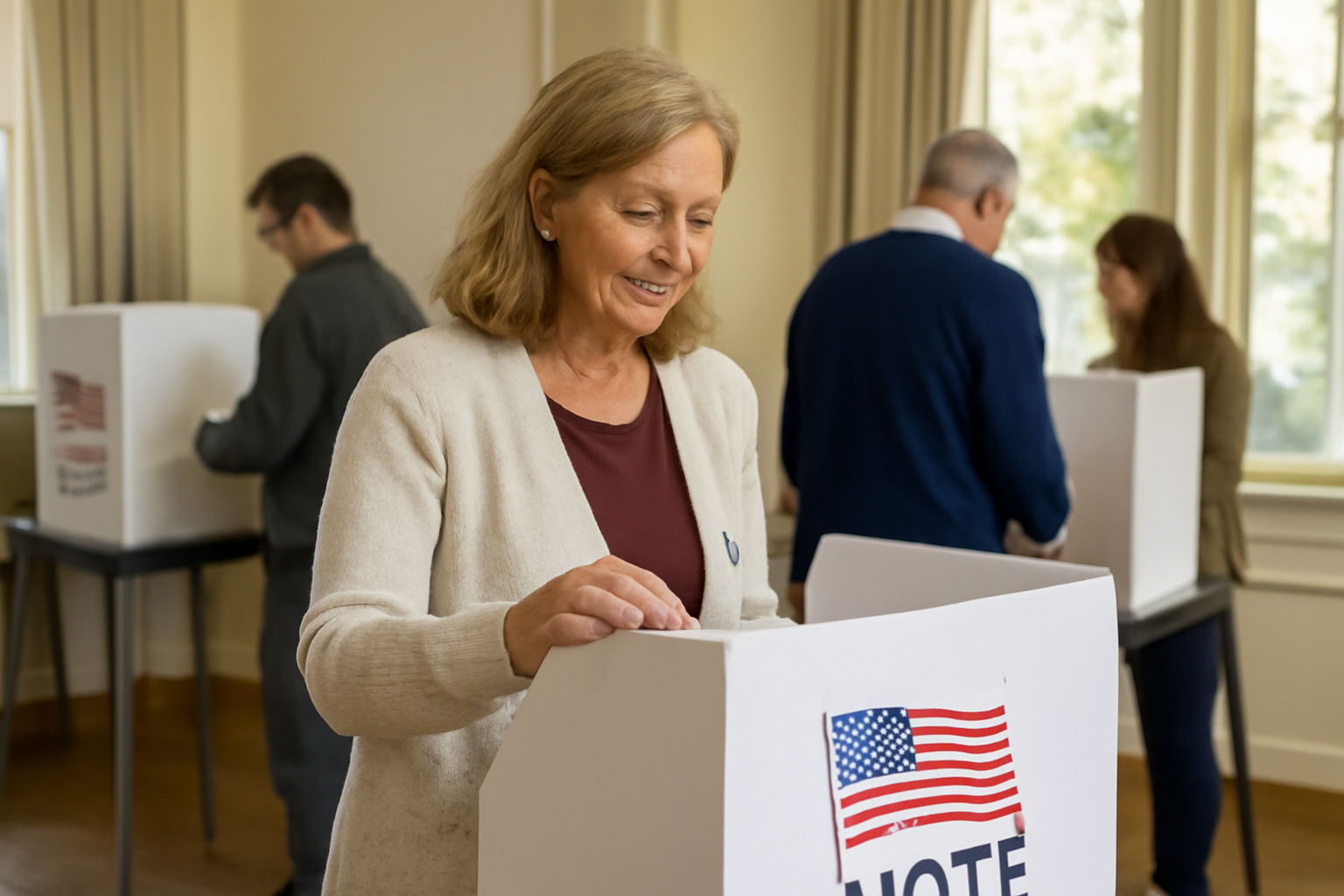
On a crisp autumn morning in Atherton, the sun rises over the manicured lawns and stately homes, illuminating the quiet streets of one of the wealthiest communities in America. Residents sip their morning coffee, contemplating not just the day ahead, but the future of their state as they prepare to cast their votes on Proposition 40. This ballot measure, if passed, would impose a 5% one-time tax on Californians with assets exceeding $1 billion, a topic that has ignited passionate discussions among neighbors and friends alike.
Proposition 40, also known as the Billionaire Tax, seeks to generate significant revenue for California's public services, specifically targeting healthcare, food assistance, and education programs. The measure is designed to levy a one-time 5% tax on individuals with assets valued over $1 billion, encompassing not just cash but also investments, private business interests, and retirement funds. The implications of this tax are profound, particularly in a state where wealth disparity has reached alarming levels.
If the measure passes, the funds generated could potentially provide a lifeline for many struggling families, ensuring access to essential services that are often taken for granted. Advocates argue that this tax is a fair contribution from those who have benefited the most from California's economic landscape, while opponents worry about the potential ramifications of such a tax on investment and economic growth.
In Atherton, opinions on Proposition 40 are as varied as the community itself. Some residents express support for the measure, believing it is a necessary step toward addressing the growing inequality in the state. "We have a responsibility to help our neighbors and ensure that everyone has access to basic needs like healthcare and education," said long-time resident and philanthropist, Sarah Jenkins. "This tax could make a real difference in people’s lives, especially for those who are struggling to make ends meet."
Conversely, others voice strong opposition, fearing that the tax could deter investment and innovation in California. "As a business owner, I worry that this tax could push billionaires to relocate their assets elsewhere, harming our economy in the long run," stated Michael Thompson, a local entrepreneur. This sentiment reflects a broader concern among some residents that the tax could lead to unintended consequences that may ultimately hurt the very communities it aims to help.
California's wealth gap has been a growing concern for years, exacerbated by the COVID-19 pandemic and subsequent economic fallout. As the state grapples with budget deficits and increasing demands for social services, measures like Proposition 40 have emerged as potential solutions. The state has seen an influx of billionaires, particularly in the tech sector, while many families continue to struggle with housing costs and access to quality healthcare.
The proposed tax could generate billions in revenue, providing a much-needed boost to state programs that have faced cuts in recent years. According to proponents, the funds could be allocated to improve public health initiatives, expand food assistance programs, and enhance educational resources, particularly for underserved communities.
Among those affected by the potential outcomes of Proposition 40 are local families who have directly experienced the challenges of California's economic climate. The Martinez family, who live in nearby Redwood City, have struggled to afford basic healthcare for their two children. "Every month is a balancing act between paying the rent and making sure our kids have the medical care they need," shared Maria Martinez, a single mother and community volunteer. "If this tax could help families like mine, then it's worth it. We need to look out for each other."
Furthermore, local educators are weighing in on the measure. John Reynolds, a high school teacher in Atherton, believes that the potential funding from the tax could significantly enhance educational resources. "Our schools are in desperate need of support, especially for programs that help at-risk students. If Proposition 40 passes, it could mean more counselors, better facilities, and ultimately, a better future for our kids," he stated passionately.
The stakes of this election extend beyond financial implications; they touch the very fabric of California's social contract. A successful Proposition 40 could signal a shift in how wealth is perceived and taxed in the state. It may also pave the way for future measures aimed at addressing economic disparities. Conversely, a defeat could reinforce the status quo, leaving many families without the support they desperately need.
As residents prepare to vote, the conversations surrounding Proposition 40 reflect a deeper yearning for community and commitment to shared values. Many Atherton families emphasize the importance of strong marriages and intact families, recognizing that a stable home environment is essential for children to thrive. This perspective shapes their views on taxation and social responsibility, with many believing that contributing to the common good is a reflection of their values.
The implications of Proposition 40 extend far beyond its immediate financial impact. If successful, it may inspire similar initiatives in other states, potentially reshaping the national conversation around wealth taxation and social equity. Advocates for social justice view this as a pivotal moment to challenge systemic inequalities that have persisted for generations.
Moreover, the measure could influence future political campaigns and the platforms of candidates running for office. Politicians may feel pressured to address wealth disparity more directly, leading to a broader dialogue about how to create a fairer economic system. As the landscape shifts, the voices of residents like those in Atherton will play a crucial role in shaping the direction of these discussions.
As the election date approaches, the debate over Proposition 40 is likely to intensify. Voter turnout will be critical, as the measure's fate rests in the hands of Californians who are increasingly aware of the challenges facing their communities. Local organizations, including the California Voter Foundation, are working diligently to educate residents about the measure and its potential impact.
In Atherton, community leaders are encouraging residents to engage in thoughtful discussions about the implications of the tax, emphasizing the importance of informed voting. "It's crucial that we understand the effects of our decisions on our neighbors and future generations," noted community advocate Lisa Chen. "This is more than just a tax; it's about our collective responsibility to one another."
As Atherton residents reflect on their values, the outcome of Proposition 40 will not only affect their own community but could also serve as a bellwether for California's approach to wealth and social equity moving forward. The measure embodies a critical moment in the state's history, one that will shape the landscape of public services and the future of countless families. The discussions and decisions made during this election could set a precedent for how California addresses the needs of its most vulnerable populations, ensuring that prosperity is shared and not just concentrated among the few.
By Katherine Langford

By Katherine Langford

By Katherine Langford
By Katherine Langford