Government
Voters grant Oakland Mayor more power
By Marcus Chen
Advertisement · Why this ad?
Marcus manages the day-to-day editorial workflow across all brands, coordinating coverage assignments and ensuring editorial standards are met. He previously served as city editor at the Pioneer Press and holds a degree in Political Science from Carleton College.
More from Marcus →
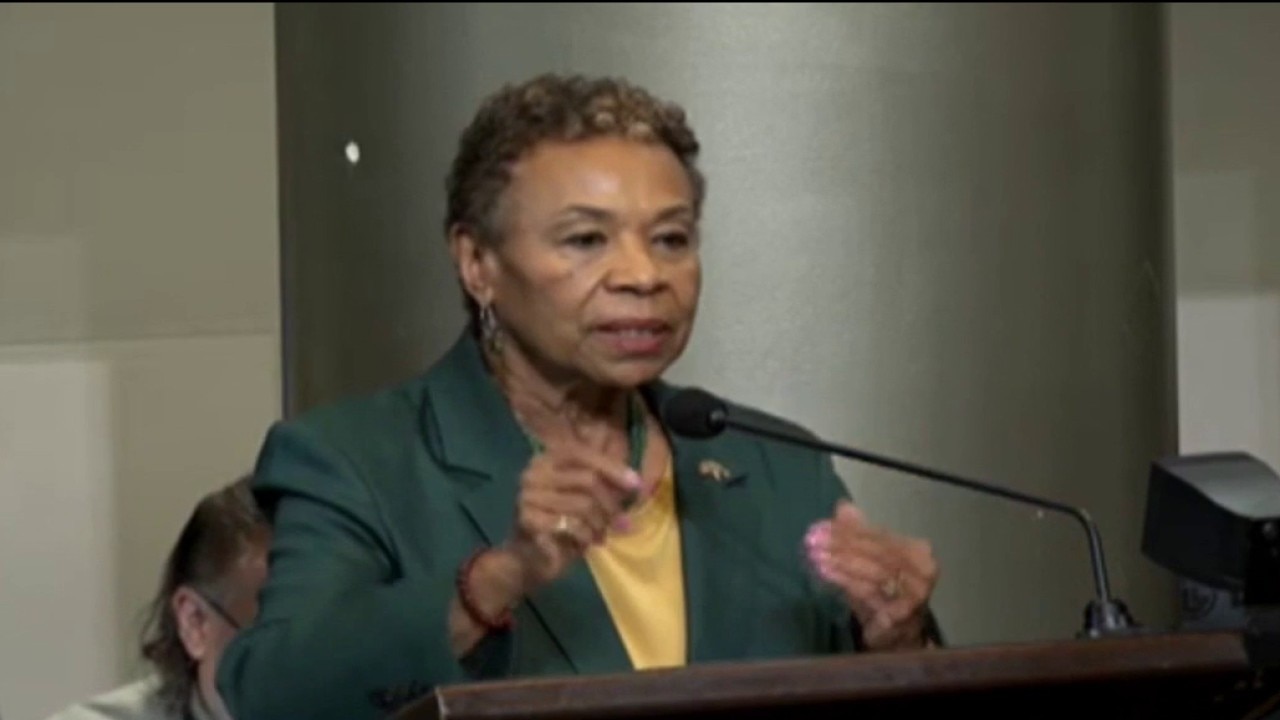
As the sun set over Oakland’s skyline, a wave of jubilant supporters gathered outside City Hall, celebrating a decisive victory for Mayor Barbara Lee. With the cheers still echoing in the air, voters not only re-elected Lee for a full term but also passed Measure EE, a charter amendment that significantly enhances her powers as mayor.
In a resounding show of support, Oakland voters overwhelmingly re-elected Barbara Lee to serve a full term as mayor. Alongside this victory, they approved Measure EE, which establishes a "strong mayor" system of governance. This new framework grants Lee greater oversight of municipal operations, including veto power over City Council legislation and authority over select budget decisions.
The charter amendment shifts the power to appoint most department heads from the city administrator directly to the mayor, marking a significant structural change in how Oakland is governed. Supporters argue that this change is essential for improving accountability within City Hall.
“The way that the current system is set up, it doesn't hold anybody accountable,” said Oakland voter Hydra Menzoa. “There's less cooperation and willingness to do what's right for Oakland.” This sentiment reflects a desire for a more efficient government that can respond effectively to the needs of its residents.
With her re-election secured, Mayor Lee is eager to implement her vision for Oakland. “I want it to be friendly for our residents and city workers,” she stated. “I want this to be a good place for people to want to work, want public services. I want our residents to feel and see that about their city.”
Lee emphasized that her administration's priorities will focus on hiring more police officers, attracting job-generating businesses, expanding opportunities for youth, and addressing pressing issues like housing, homelessness, and illegal dumping. The mayor believes that the reforms granted by Measure EE will allow her administration to deliver core public services more efficiently.
“I'm deeply grateful that voters really understood what Measure EE was about,” Lee remarked. “It's not a power grab.” Her assurance indicates a commitment to transparency and collaboration, aiming to reassure residents that the changes will benefit the community as a whole.
The approval of Measure EE is seen by many as a necessary step toward a more effective governance model. Residents are hopeful that the new system will foster accountability and enhance the city's responsiveness to community needs. Supporters believe that a strong mayor system will clarify the responsibilities among the mayor, council, and city administrator, thus improving overall governance.
Many Oaklanders are optimistic about the potential benefits of this reform. The charter amendment is expected to streamline decision-making processes and eliminate bureaucratic hurdles that have historically plagued the city. This shift could lead to more timely and impactful responses to pressing issues faced by residents.
Despite the overwhelming support for Measure EE, the amendment faced resistance from certain quarters. Four city council members voiced concerns that the reform places too much power in the hands of a single official. Councilmember Janani Ramachandran, who voted against placing Measure EE on the ballot, acknowledged the outcome but emphasized the need for reform.
“When it came to City Council for a vote to decide if it went to the ballot, I voted against it,” Ramachandran said. “Now that the voters have made their voice heard, even though I voted no before, I'm willing to give this new system my all certainly to try to figure out will this help us improve our system of governance.” Her willingness to adapt to the voters' decision reflects a commitment to collaboration and a desire to work for the betterment of the city.
This division among council members highlights the complexities of governance and the differing perspectives on how best to serve the community. While some view the strong mayor system as a necessary evolution, others caution against consolidating power in a single office.
The implications of Measure EE extend beyond the political realm; they resonate deeply within the community. Residents are eager for improvements in public safety, economic opportunities, and overall quality of life. The reforms could empower the mayor to act decisively on these issues, addressing concerns that have long been a source of frustration for Oaklanders.
As Lee embarks on her new term, the community is watching closely. Many hope that the strong mayor system will lead to tangible improvements in their daily lives. The potential for increased accountability and responsiveness is a beacon of hope for residents who have felt unheard in the past.
Moreover, the success of this new governance structure will depend on how well Lee and her administration engage with the community. Building trust and fostering open communication will be essential in ensuring that the reforms translate into real benefits for Oakland residents.
As Mayor Lee prepares to take on the challenges of her new term, her administration is poised to implement the changes promised during her campaign. The focus on public safety, youth opportunities, and economic development is set to shape the agenda for the coming years. Lee's commitment to hiring more police officers and addressing homelessness will be critical in restoring public confidence and improving community safety.
Additionally, the administration's ability to attract job-generating businesses will be vital for economic recovery and growth. With the passage of Measure EE, Lee has the mandate to pursue these goals with renewed vigor and authority.
In conclusion, the re-election of Mayor Barbara Lee and the passing of Measure EE mark a pivotal moment for Oakland. The changes in governance signal a commitment to accountability and responsiveness, reflecting the aspirations of a community eager for progress. As the city moves forward, the focus will be on whether these reforms can indeed foster a brighter future for all Oaklanders.
In the days following the election, community leaders and local organizations have begun to express their hopes and concerns regarding the implications of Measure EE. Local activist groups, such as the Oakland Rising Coalition, have praised the measure for its potential to streamline decision-making and enhance accountability in city governance. “This is a moment for Oakland to redefine its leadership structure,” said coalition spokesperson Maria Torres. “We believe that a strong mayor can truly advocate for the needs of the community.”
Conversely, some residents remain apprehensive about the concentration of power. “I worry about what this means for checks and balances,” expressed longtime Oakland resident Marcus Johnson. “We need to make sure that the voices of all communities are heard and that no one person has too much control.”
As Mayor Lee begins to implement the changes afforded by Measure EE, her administration will need to prioritize community engagement to ensure that the reforms reflect the diverse needs of Oakland’s residents. Town hall meetings and community forums could become essential tools for fostering dialogue between the mayor’s office and the public. Lee has indicated her intention to hold regular community meetings to discuss ongoing initiatives and gather feedback. “I want to hear from residents directly,” Lee stated. “Their input is invaluable as we move forward.”
In the coming months, the effectiveness of the strong mayor system will likely be scrutinized. Community members, advocacy groups, and political analysts will be watching closely to see how the new governance structure impacts daily life in Oakland. The stakes are high, as the success or failure of these reforms could set a precedent for similar governance changes in other cities across California.
By Marcus Chen

By Marcus Chen

By Marcus Chen

By Katherine Langford